

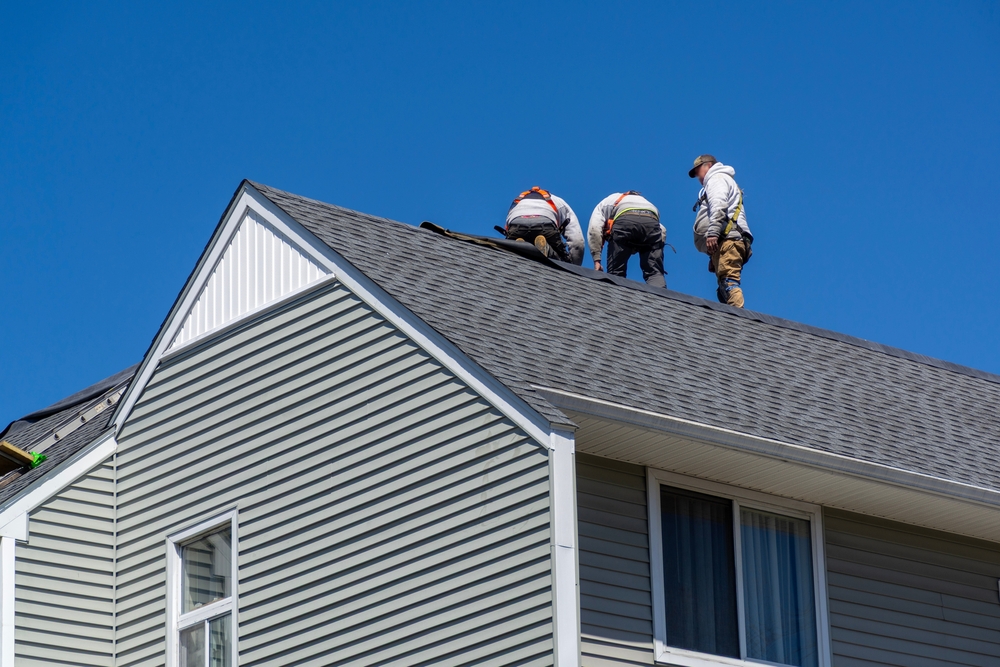
Why May Is the Ideal Month to Replace a Roof in Iowa
If you've been putting off a roof replacement, spring in Iowa gives you a genuine advantage worth taking seriously. Mild temperatures, predictable weather, and contractor availability all line up in a way that most other months simply don't offer. Getting your project on the calendar now means fewer surprises and a stronger finished product.
Most months come with a real trade-off, whether it's cold that prevents proper sealing, summer heat that slows crews down, or storm season creating constant delays. May threads the needle between all of those problems, giving you a clean window to get the job done right. Homeowners who plan ahead during this stretch consistently walk away with better results.
Why Iowa Roofers Recommend May for Roof Replacement Projects
Ask any experienced Iowa roofer when they'd rather be on a roof, and late spring comes up every time. Shingles need temperatures between 40 and 85 degrees Fahrenheit to install and seal correctly, and this time of year hits that range almost daily. When adhesive strips seal the way they're supposed to, your roof handles wind and rain as it should for years to come.
Why May Weather Makes Iowa Roofs Last Longer
Iowa weather is unpredictable for most of the year, but late spring tends to be the exception. Temperatures stay mild, rain is manageable, and you rarely see the extreme swings that make roofing difficult in other seasons. That combination creates ideal conditions for a clean, efficient installation that holds up long-term.
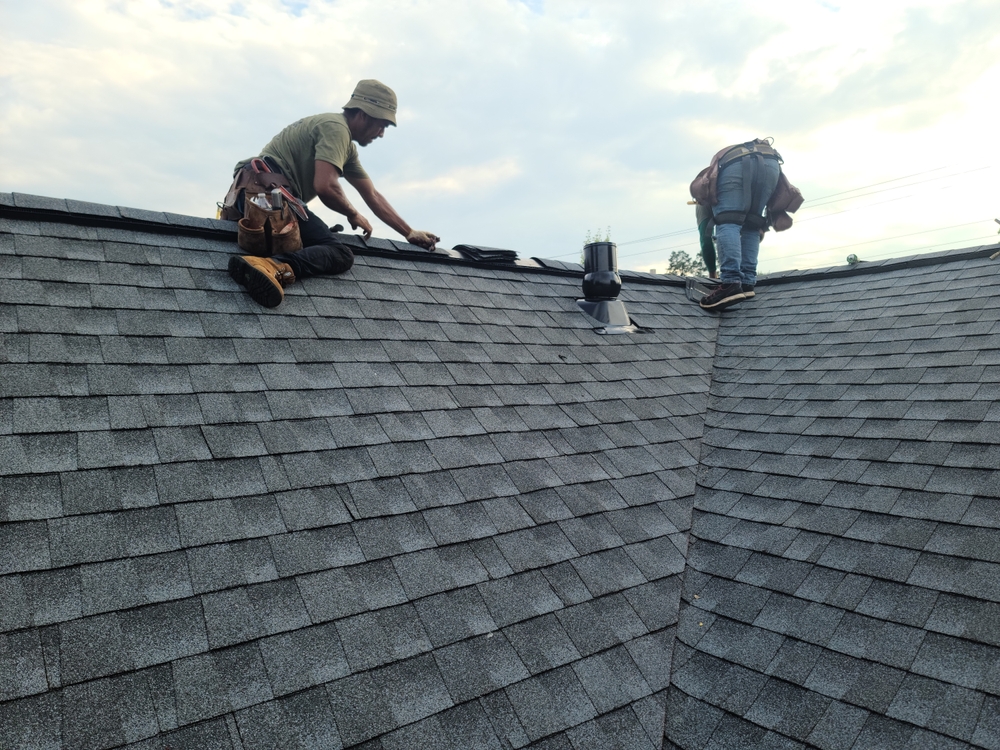
Asphalt shingles rely on a specific temperature range to seal and bond correctly during installation. Too cold and the adhesive strips never activate properly, leaving your roof vulnerable to wind lift and water infiltration. Too hot and materials become difficult to handle, increasing the risk of installation errors that show up as problems down the road.
Roofing crews also perform better when conditions are comfortable and daylight hours are long. Fatigue from summer heat leads to slower work and less attention to detail on the small things that matter most. A spring install gives your crew the best possible environment to do the job right the first time.
How to Choose the Right Roofing Materials for Iowa Homes
Iowa homes face a wide range of weather demands, from heavy snow loads in winter to severe thunderstorms and hail in summer. Choosing the right materials means thinking beyond curb appeal and considering how each option holds up against the conditions you actually deal with. The good news is that you have solid choices across every budget range for roof replacement in your area.
1. Know Your Climate Demands Before You Decide
Iowa sits in a climate zone that throws just about everything at a roof over its lifetime. Wind, hail, ice dams, and summer heat all factor into which material makes the most sense for your home. Start with durability and weather resistance, then work your way toward style and price.
2. Match the Material to Your Roof's Slope and Structure
Not every roofing material works on every roof, and slope plays a bigger role than most homeowners realize. Asphalt shingles work well across a wide range of pitches, while metal and foam systems are better suited to low-slope or flat applications. Knowing your roof's structure upfront keeps you from investing in a product that doesn't fit the job.
3. Factor in Long-Term Cost, Not Just Upfront Price
A cheaper material that needs replacing in 15 years costs more over time than a premium option that lasts 40. Roof replacement pricing should account for installation, disposal, and the likelihood of future repairs alongside the material cost itself. Thinking long-term almost always changes the math.
4. Pay Attention to Impact Resistance Ratings
Iowa hailstorms cause more roof damage than most homeowners expect until it happens to them. Impact-resistant shingles carry a Class 4 rating, the highest available, and they hold up significantly better during storms. Some insurance carriers also offer discounts for homes with Class 4-rated materials, so it's worth asking your agent before you decide.
5. Ask About Manufacturer Certifications and Warranty Tiers
Not all warranties are equal, and the installer's certification level directly affects what you qualify for. Contractors certified by brands like Owens Corning or CertainTeed can offer enhanced warranties that non-certified crews simply cannot. Always ask what warranty tier your contractor qualifies for before signing the estimate.
What to Expect During Your Roof Replacement
A roof replacement moves faster than most homeowners expect when the project is properly planned and scheduled. Your contractor will start with a thorough inspection to assess the decking, flashing, and ventilation before any materials go on. Knowing the full scope upfront prevents surprises mid-project and keeps the timeline on track.
The actual installation begins with removing your old roofing material down to the deck. Any damaged decking gets replaced before new underlayment and shingles go on, which protects the structural integrity of the finished roof. Flashing around chimneys, vents, and valleys gets careful attention because those transition points are where most leaks originate.
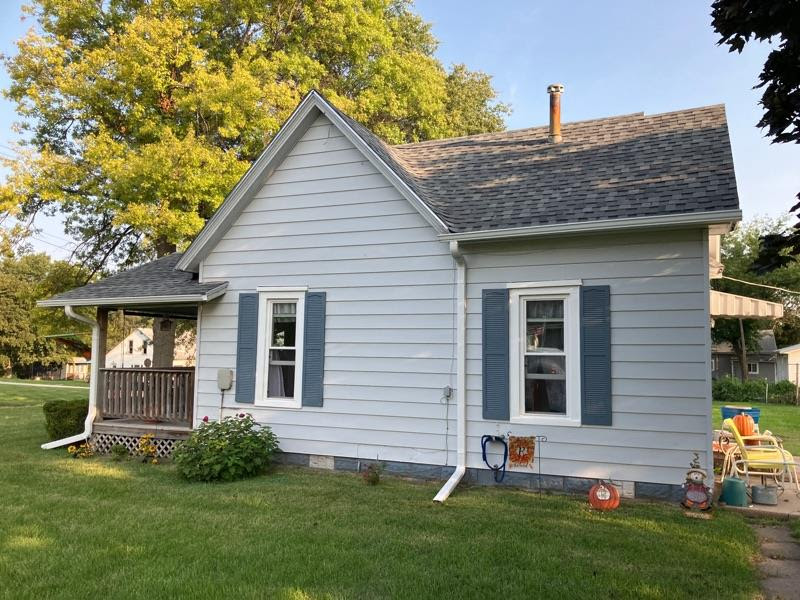
Cleanup is part of the job, not an afterthought. A reliable contractor removes all old materials, runs a magnetic sweep for nails, and leaves your property in clean condition before wrapping up. Walking the finished roof with your contractor before they leave gives you a chance to confirm the work meets your expectations.
Once the installation wraps up, your contractor should walk you through the warranty documentation for both materials and labor. Keeping those records organized makes future insurance claims and warranty service requests much easier to handle.
How to Find a Reliable Iowa Roofing Contractor
Finding a trustworthy roofing contractor takes a little homework, but the effort pays off when your project goes smoothly and the warranty holds up. You want someone with local experience, verifiable credentials, and a track record that neighbors can actually speak to. Cutting corners on vetting a contractor is where most roofing headaches begin.
Check for a valid Iowa contractor license and confirm the company carries both liability insurance and workers' compensation coverage before signing anything.
Look up their Better Business Bureau rating and read through recent reviews on Google to get a realistic picture of how they handle real projects.
Ask specifically about manufacturer certifications, since certified installers often qualify you for stronger material warranties than non-certified crews can offer.
Get at least two written estimates and compare scope of work, not just price, because the cheapest bid rarely accounts for everything the job actually requires.
Ask for references from recent local jobs and follow up with those homeowners directly before making your final decision.
A contractor who communicates clearly from the first call tends to handle the project the same way. Pay attention to how quickly they respond, whether they answer your questions directly, and how detailed their estimate actually is. Those early signals tell you a lot about what the working relationship will look like once the crew shows up.
Warranties mean nothing if the contractor disappears after the job wraps up. Make sure the company has an established local presence and a clear process for handling warranty claims and follow-up repairs.
Get a Roof That's Built to Last With Hoskins Exteriors
Hoskins Exteriors has been protecting Iowa homes since 1991, and that kind of track record means something when you're making a decision this important. Every project gets handled with the same care and attention, whether it's a simple repair or a full roof replacement.
Talk to us at Hoskins Exteriors and let's figure out the best plan for your home before another season passes. We'll walk you through your material options, answer your questions honestly, and get you a free estimate with no pressure attached.
