
The Long-Term Value of Replacing Worn Siding
Worn siding does more damage than it looks like from the street, and the problems it creates compound quietly over time. Moisture gets in behind failing panels, insulation performance drops, and the structural components underneath start taking on damage that costs far more to fix than a siding replacement ever would. Getting ahead of that deterioration is one of the smartest long-term investments you can make in your home.
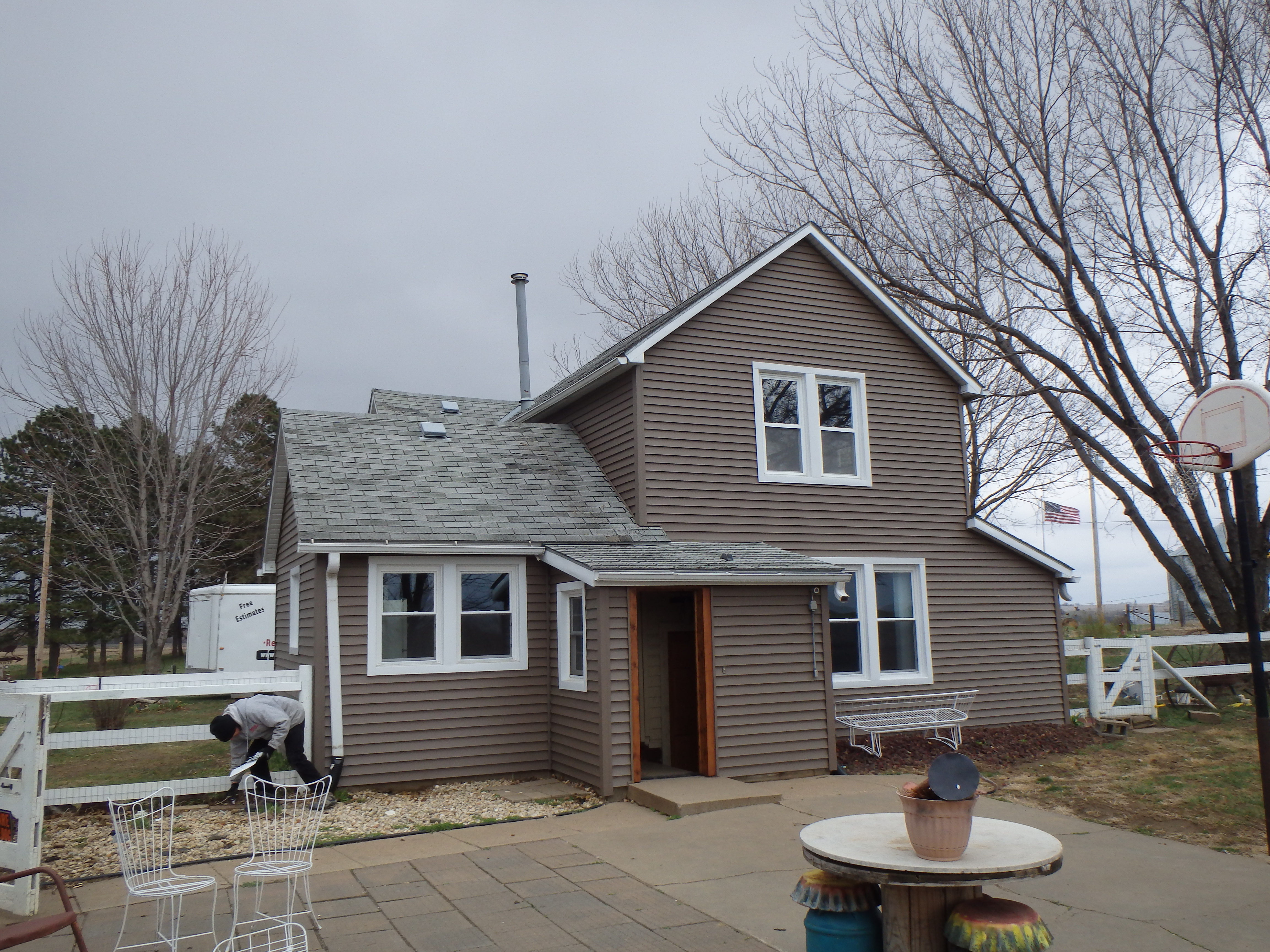
Most homeowners wait until the damage is visible before acting, but by then the siding has already been failing for a while. Warped panels, fading color, and soft spots along the wall are late-stage signs, not early ones. Replacing worn siding before it reaches that point protects your home's structure, your energy performance, and your property value all at once.
What Does Worn Siding Actually Cost You Over Time?
Worn siding isn't just an aesthetic problem, it's a slow drain on your home's performance and value. Moisture that works behind failing panels damages sheathing, insulation, and framing in ways that don't show up until the repair bill is already significant. Understanding what deteriorating siding actually costs makes the decision to replace it a lot more straightforward.
Signs Your Siding Is Past Its Prime and Needs Replacing
Siding doesn't fail all at once; it gives you signals along the way that are easy to miss until the damage underneath has spread. Knowing what to look for helps you act before a cosmetic problem becomes a structural one. These are the five signs your siding is ready for replacement.
Warping and Buckling - Panels that have pulled away from the wall are no longer creating a watertight seal, which means moisture is already finding its way behind the surface.
Fading and Chalking - Significant color loss and a chalky residue signal that the siding material's protective finish has broken down, leaving panels vulnerable to moisture and UV damage.
Soft Spots and Rot - Pressing against your siding and feeling give underneath means moisture has already reached the sheathing, and the damage goes beyond what you can see.
Peeling Interior Paint - Paint peeling on interior walls near the exterior is a reliable sign that moisture is moving through the wall system from outside.
Rising Energy Bills - Siding that has lost its integrity allows outside air into your wall cavities, reducing insulation performance and making your HVAC work harder.
Any one of these signs warrants a closer look, but more than one appearing together means the window for a simple repair has likely passed. A siding replacement at that point isn't an upgrade, it's the right call for protecting everything behind the wall.
How Siding Replacement Improves Your Home's Energy Performance
New siding restores the thermal barrier your home depends on to maintain comfortable indoor temperatures year-round. Worn siding with gaps and failing seams allows outside air to move through your wall assembly, undermining your insulation regardless of how well it was installed. A siding replacement seals that assembly back up and lets your insulation do its job.
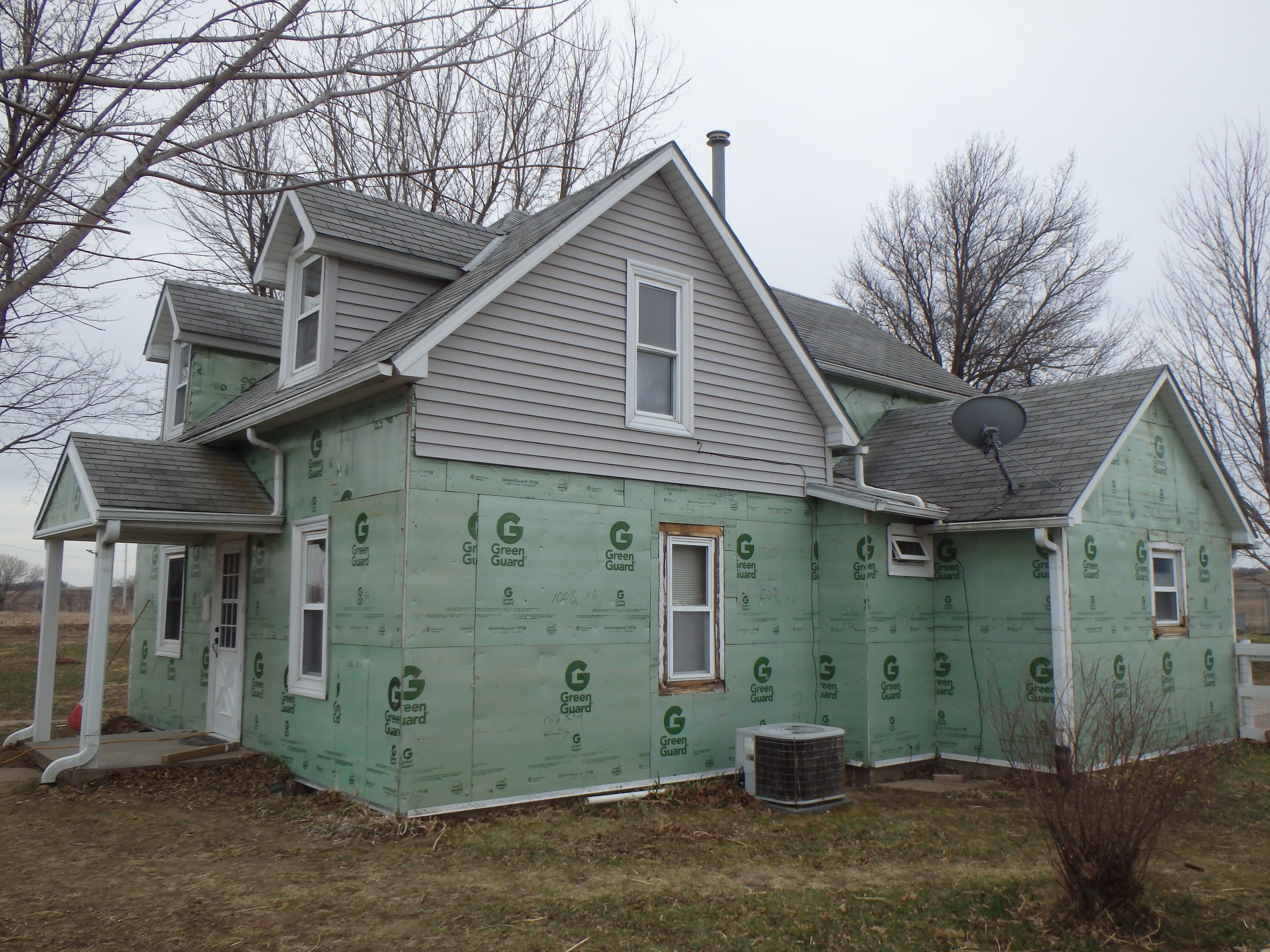
Insulated siding options add a continuous layer of rigid foam behind the panel. That added R-value reduces heat transfer in ways standard insulation alone can't fully address.
Energy-efficient siding pays you back monthly through lower heating and cooling costs. The savings accumulate quietly but add up to a real return over the life of the siding installation.
New siding eliminates the air infiltration points that aging panels create over time. A tighter exterior means your HVAC runs shorter cycles and keeps your home more comfortable through Iowa's seasonal extremes.
The Curb Appeal and Resale Value a Siding Replacement Delivers
Fresh siding is one of the most visible exterior improvements you can make, and the impact on curb appeal is immediate. Faded, warped, or damaged panels drag down an otherwise well-kept home, and new siding resets that impression from the street. Buyers, appraisers, and neighbors all register exterior condition faster than most homeowners realize.
Resale value follows curb appeal closely, and siding replacement ranks among the highest-return exterior projects available. A well-maintained exterior builds buyer confidence before they ever step inside, translating into stronger offers and less negotiation pressure. Homes that present well from the street attract more serious interest and spend less time on the market.
Color and material selection play a real role in how much value a siding replacement adds at resale. Neutral tones, clean profiles, and materials that photograph well appeal to a broader pool of buyers. Getting those choices right extends the return well beyond the installation itself.
Appraisers factor exterior condition into valuations, and updated siding moves that number in the right direction. A home with new siding signals that the property has been maintained, influencing how everything else gets evaluated. Investing in siding replacement before listing gives you a stronger starting position on both price and perception.
Choosing the Right Siding Material for Iowa's Climate
Iowa's climate puts real demands on exterior materials, and the right choice comes down to matching a product's strengths to the conditions your home actually faces. Heat, humidity, hail, and freeze-thaw cycles all factor into which material holds up and which shows wear ahead of schedule.
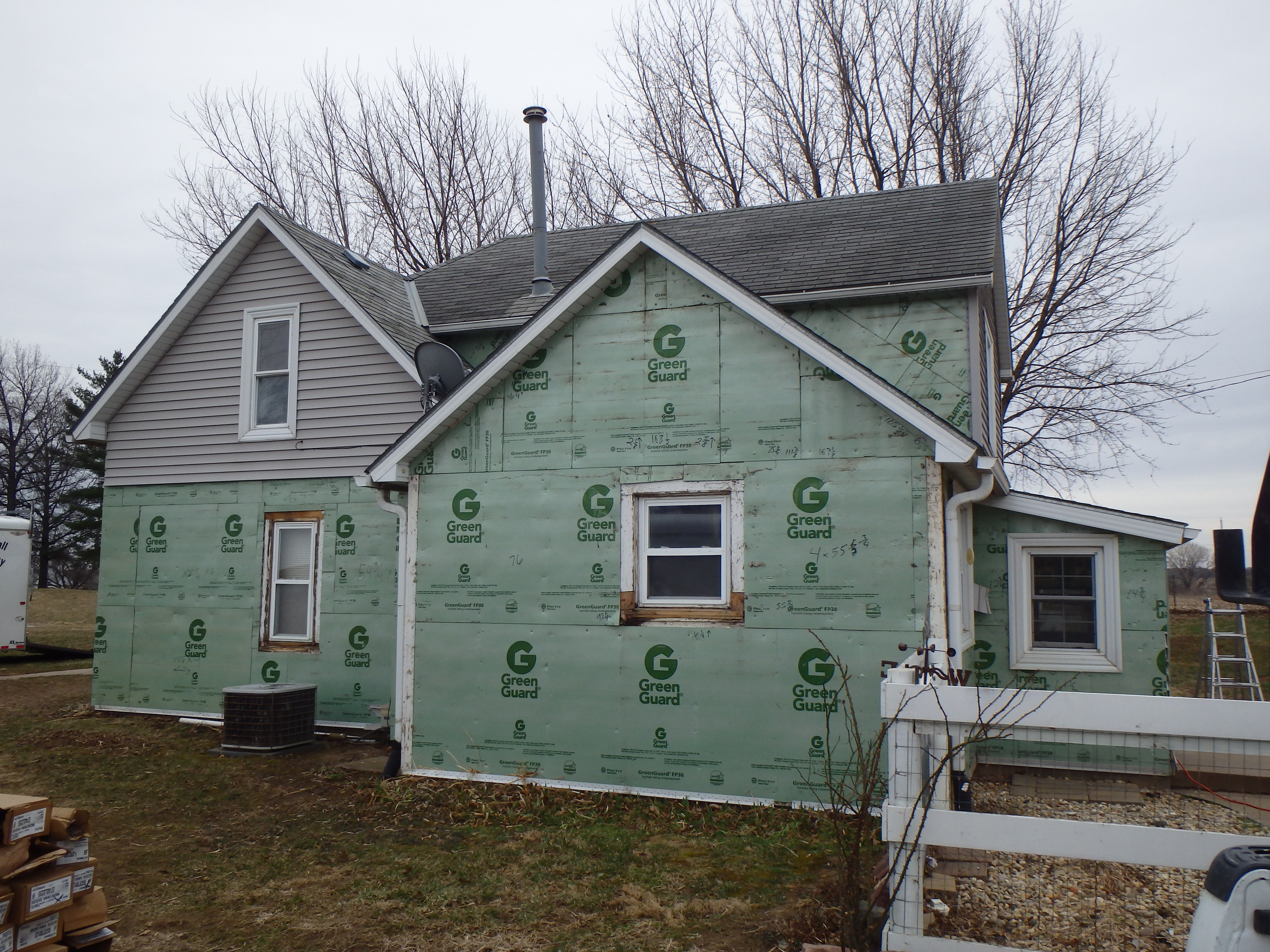
Getting that decision right determines how long your siding replacement actually lasts.
Prioritize impact resistance - Iowa hailstorms cause more exterior damage than most homeowners account for upfront.
Match material to your maintenance tolerance - Vinyl and fiber cement require far less upkeep than wood-based products.
Factor in insulation value - Insulated siding adds continuous R-value that standard panels don't provide.
Consider long-term color retention - Some materials hold color far better through UV exposure, preserving curb appeal over time.
Work with a certified installer - Manufacturer warranties on premium products often require certified installation to remain valid.
Hoskins carries vinyl, engineered wood, fiber cement, and premium options from James Hardie, LP SmartSide, ProVia, Alside, and Mastic across every budget range. The right material depends on your priorities, your budget, and how long you plan to stay, and those are the conversations worth having before installation begins.
Protect Your Home's Value With a Siding Replacement From Hoskins Exteriors
Hoskins Exteriors has been helping Iowa homeowners protect their exteriors since 1991, and siding replacement is one of the most impactful projects we handle. Every installation uses premium materials from trusted brands, backed by certified workmanship and attention to detail that shows up in how the finished product performs for years.
Ready to get started? Drop us a line at Hoskins Exteriors for your free estimate and we'll walk you through every material option and installation detail your home needs.
