

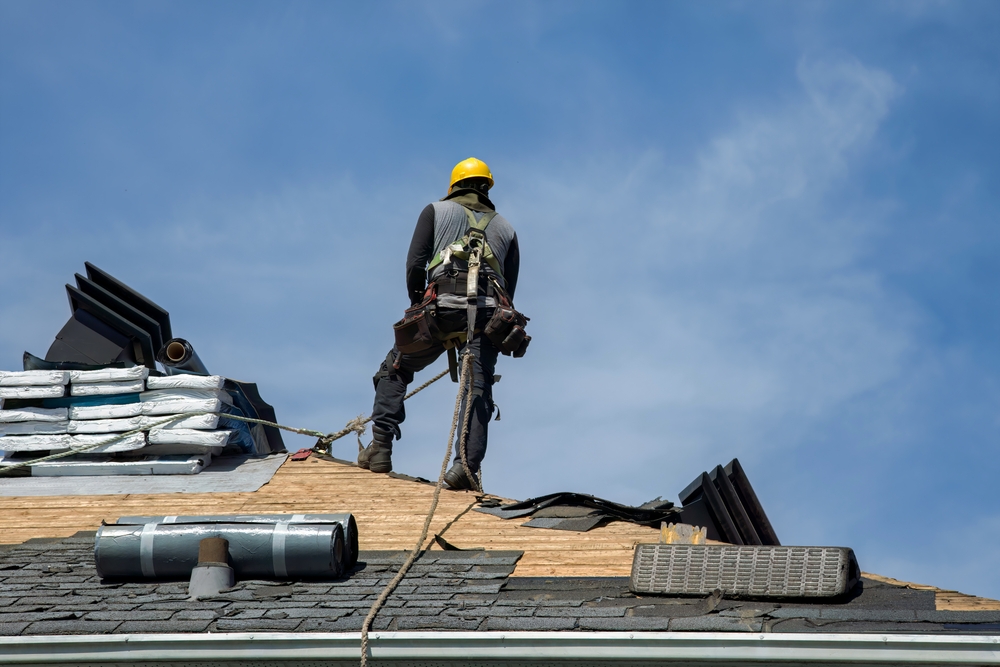
How a New Roof Improves Energy Efficiency Before Summer Heat
Most homeowners don't think about energy-efficient roofing until the summer cooling bills start climbing, but the time to act is before the heat arrives. A worn or poorly installed roof lets heat pour into your attic and straight into your living space, making your cooling system work harder than it should. Getting ahead of that problem now is one of the smartest moves you can make as a homeowner.
The right roofing system does more than keep rain out. Reflective materials, quality underlayment, and proper attic ventilation work together to reduce heat transfer and take real pressure off your HVAC system. Homeowners who upgrade before summer consistently notice the difference when their first cooling bill arrives.
What Makes a Roof Energy Efficient?
A roof's energy performance comes down to a few key factors working together. Reflective materials push solar heat away from the surface instead of absorbing it, while quality underlayment and attic ventilation control what happens to the heat that does get through. Getting all three elements right is what separates a roof that performs from one that just covers the house.
How Your Roof Affects Home Cooling Costs
Your roof absorbs more solar energy than any other part of your home, and that heat doesn't stay on the surface. It moves through the decking into your attic, raising temperatures your air conditioner has to fight all day. A roof that isn't performing thermally adds real money to your cooling costs every month.
Older roofing materials lose their ability to reflect heat after years of Iowa summers, hail, and freeze-thaw cycles. When reflectivity drops, heat absorption goes up, and your HVAC system picks up the slack. Most homeowners never connect rising energy bills to an aging roof, but the relationship is direct.
Attic temperature tells the whole story, and most homeowners never check it. A poorly performing roof can push attic temps well above 150 degrees on a hot afternoon. That heat bleeds into your living space regardless of how well your insulation is rated.
Poor ventilation traps that heat with nowhere to go. Your cooling system runs longer cycles trying to compensate, wearing down components faster than normal.
Cracked or curling shingles create gaps that let heat move freely into the roof assembly. Even a roof that looks fine from the ground can underperform in ways that show up on your utility bill. This is where energy-efficient roofing upgrades can help.
Best Energy-Efficient Roofing Materials for Iowa Homes
Choosing the right material makes a genuine difference in how your home handles summer heat. Impact resistance, reflectivity, and longevity all factor into which product makes the most sense for your budget. The market has improved, and you have better options today than homeowners did even ten years ago.
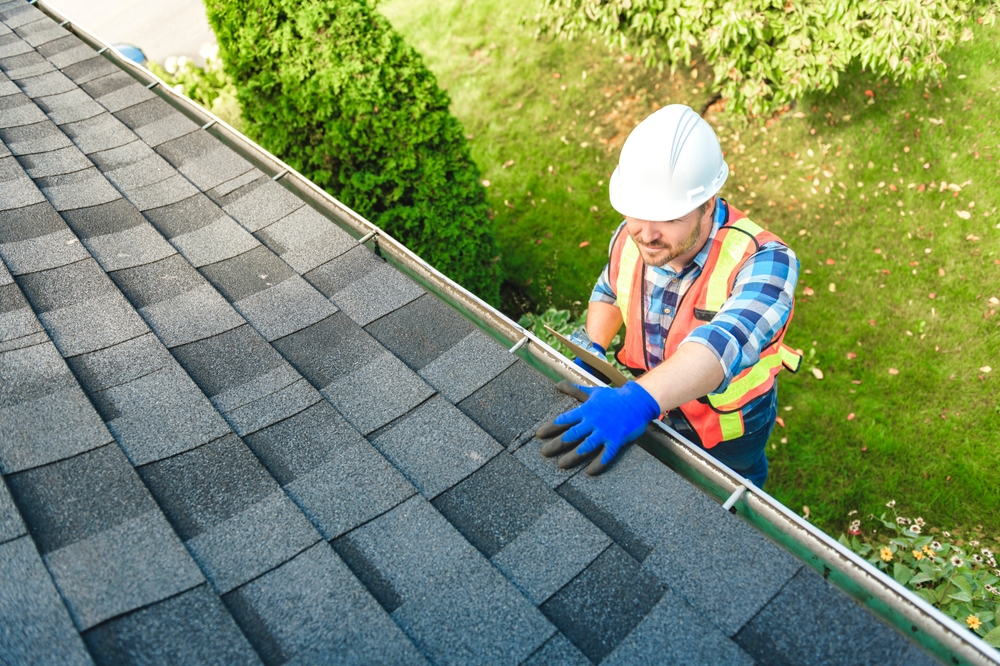
Energy-efficient roofing isn't a single product. It's a category that includes several materials, each with different strengths depending on your roof's slope and structure.
Impact-Resistant Asphalt Shingles - Class 4-rated shingles reflect more solar energy than standard options and hold up better against Iowa hailstorms, making them the most practical upgrade for most homeowners.
Metal Roofing - Metal reflects solar radiation more effectively than asphalt and stays cooler under direct sun, reducing heat transfer into the attic on the hottest days.
Conklin Spray Foam Systems - Spray foam creates a seamless, reflective surface that reduces heat gain on flat and low-slope roofs while adding insulation directly to the deck.
Reflective Underlayment - A quality reflective underlayment blocks radiant heat before it reaches the decking, improving performance without requiring a full material upgrade.
Cool Roof Coatings - Roof coatings increase solar reflectance and extend roof life, offering an efficient option for commercial property owners not ready for full replacement.
Pairing any of these materials with proper attic ventilation is what actually moves the needle on energy performance. A high-quality shingle on a poorly ventilated roof will still underperform, so material choice and installation approach have to work together.
Why Attic Ventilation Matters as Much as the Shingles
Most homeowners focus entirely on shingles, but attic roof ventilation does just as much work for energy performance. A well-ventilated attic continuously pulls hot air out, preventing temperatures from building up where your living space feels them. Without adequate airflow, even the best shingles can't overcome the heat accumulating underneath.
Intake and exhaust vents work as a system, and both sides need to function correctly. If one side is blocked or undersized, heat stays trapped and the whole loop breaks down.
Iowa summers create sustained heat loads that test attic ventilation harder than moderate climates. Ridge vents, soffit vents, and powered attic fans each play a different role in keeping air moving through the space. A professional contractor who understands ventilation as part of the system will make sure yours is sized and balanced correctly.
Getting ventilation right during a roof replacement costs far less than correcting it afterward. A quick assessment during the inspection phase tells you exactly what your attic needs before new materials go on.
How to Know If Your Roof Is Hurting Your Energy Bills
A roof that's hurting your energy performance usually leaves signs that are easy to miss if you're not looking. Rooms that feel warmer than the rest of the house, an HVAC system that runs constantly, and climbing cooling bills without explanation all point in the same direction.
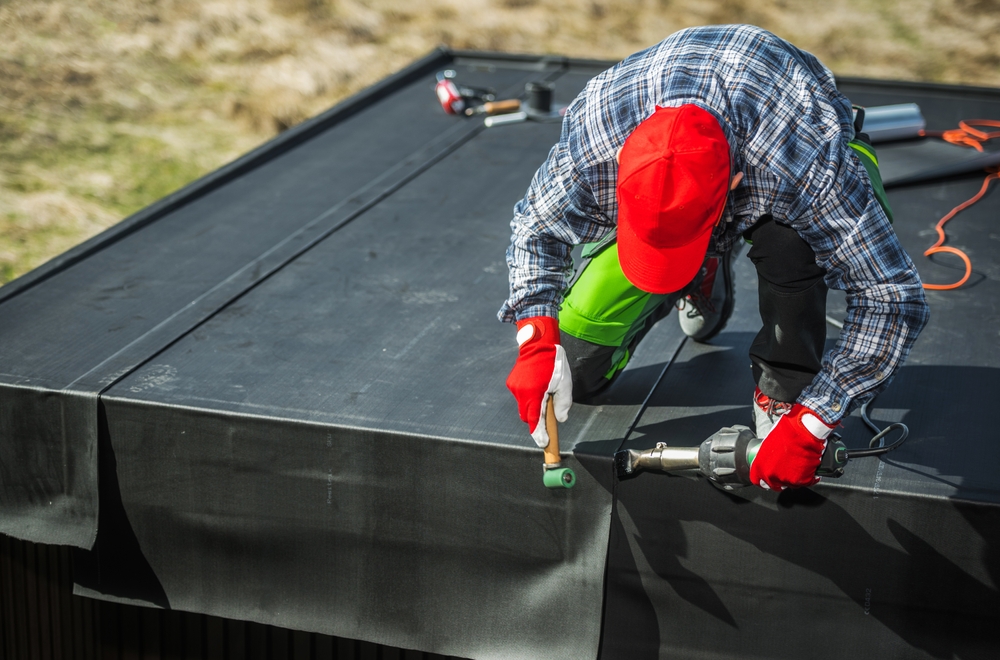
A professional roofing inspection is the fastest way to confirm whether your roof is part of the problem.
Your upstairs rooms feel significantly warmer than the rest of the house during summer afternoons, which often points to heat transfer through an underperforming roof deck and inadequate attic insulation working together.
Your air conditioner runs in long continuous cycles without reaching the temperature you've set, suggesting your cooling system is compensating for heat gain from above rather than a mechanical issue.
You notice shingles cracking, curling, or losing granules from the yard, because surface deterioration reduces reflectivity and allows heat to penetrate the assembly more easily.
Your attic feels like an oven when you open the access hatch, even in the morning, which tells you ventilation isn't moving air the way it needs to in order to protect the living space below.
Your energy bills have climbed steadily over the past two or three summers without any change in habits or appliances, a trend that often tracks directly with a roof aging past its effective performance window.
Catching these signs early gives you options, whether a targeted repair, a ventilation upgrade, or a full replacement before summer peaks. Waiting until the problem is obvious usually means higher costs and a longer stretch of discomfort before the fix gets done.
Stay Cooler This Summer With a Roof That Actually Works
A roof that manages heat well makes a real difference in how comfortable your home feels from June through August. Upgrading before summer arrives means your cooling system isn't starting the season already behind. It's one of those improvements that pays you back every month on your utility bill.
If your roof is showing its age or your energy bills have been climbing without explanation, now is the right time to get a professional set of eyes on it. Talk to us at Hoskins Exteriors for a free estimate, and we'll walk you through exactly what your home needs before the heat sets in. Getting ahead of summer is always easier than catching up to it.
