

The 7 Roofing Materials That Perform Best in Iowa's Weather
Iowa weather doesn't give your roof a break, and choosing the best roofing materials for your home starts with understanding what you're actually up against. Temperatures swing from below zero in January to sweltering humidity in July, with hail, ice dams, and severe thunderstorms filling in the gaps. The material you put on your roof needs to handle all of it without failing in year three or four.
Most roofing products work fine in mild climates, but Iowa isn't a mild climate. Wind uplift, freeze-thaw cycling, and hail impact separate materials that perform from materials that just look good on a brochure. Knowing the difference before you buy saves you from a costly mistake down the road.
What Roofing Material Holds Up Best in Iowa Weather?
No single material wins on every measure, but a few stand out for Iowa's specific conditions. Impact resistance, thermal performance, and long-term durability narrow the field considerably when you stack options against what Iowa actually throws at a roof.
Why Iowa Weather Demands More From Your Roof
Iowa doesn't have a forgiving climate, and your roof takes the full force of every season. Summers bring intense heat, humidity, and hailstorms that strip granules and crack shingles fast. Fall and winter follow with freeze-thaw cycles, ice dams, and snow loads that stress materials for months.
Most roofing products are tested to industry standards, but those standards don't reflect what Iowa actually delivers. A material rated for wind resistance in a lab performs differently after five years of Midwest weather. Choosing materials built for this climate is the only way to get the lifespan you're paying for.
Hail is the most common cause of roofing insurance claims across Iowa and Nebraska. Even small hailstones cause impact damage that compromises a shingle's protective layer over time.
Ice dams form when heat escapes through the roof deck and refreezes at the eaves. Left unchecked, they force water under shingles and into the structure below.
Wind uplift is a persistent problem on exposed properties across the region. Shingles that aren't sealed and fastened correctly peel back at the edges long before the damage is visible from the ground.
What to Look for in a Roofing Material Before You Decide
Picking the right material comes down to matching its strengths to the demands your property actually faces. A product that works well on a sheltered home performs differently on an exposed farmstead or commercial flat roof. Knowing what to prioritize keeps you from making a decision based on price alone.
Impact resistance rating tells you how well a material handles hail, with Class 4 being the highest and most relevant for Iowa properties.
Thermal performance determines how much heat a material absorbs or reflects, directly affecting cooling costs through summer.
Wind resistance rating indicates the maximum sustained wind speed a properly installed roof can handle before failure.
Manufacturer certification requirements matter because some warranties only apply when a certified contractor does the install.
Long-term maintenance needs vary between materials, and lower upfront costs often mean higher ongoing expenses down the road.
Factor in your property type, roof slope, and long-term plans before deciding. A material chosen for a 20-year stay looks different from one picked for a property you plan to sell in five.
Best Roofing Materials for Iowa Homes and Buildings
The best roofing materials for Iowa share a few traits: impact resistance, thermal durability, and the ability to hold up through repeated weather extremes. Understanding how each option performs against real conditions makes the decision easier. Here's how the three systems Hoskins installs stack up.
Asphalt Shingles
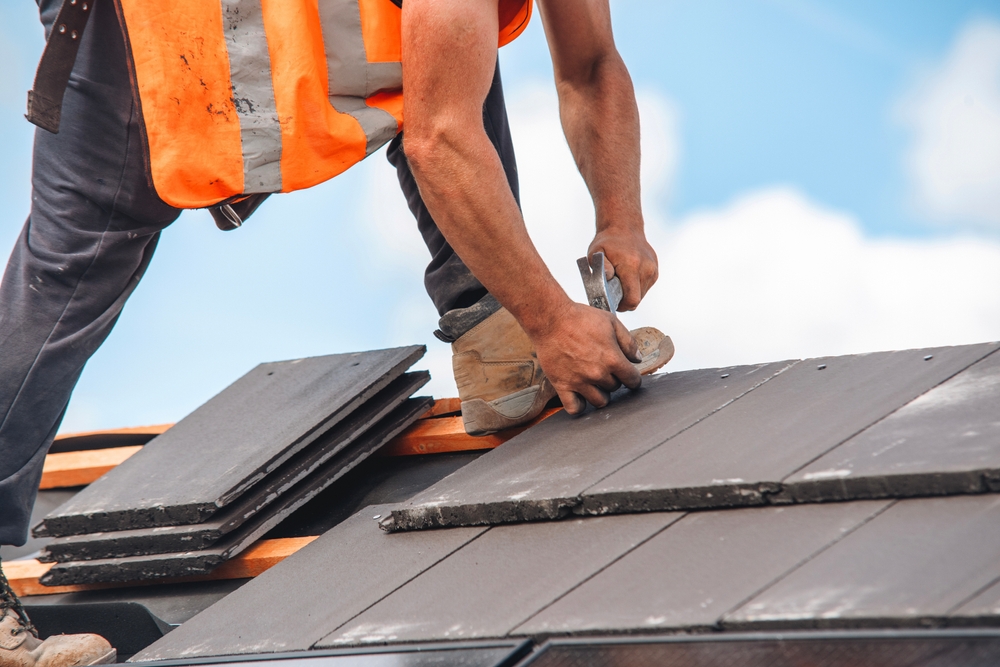
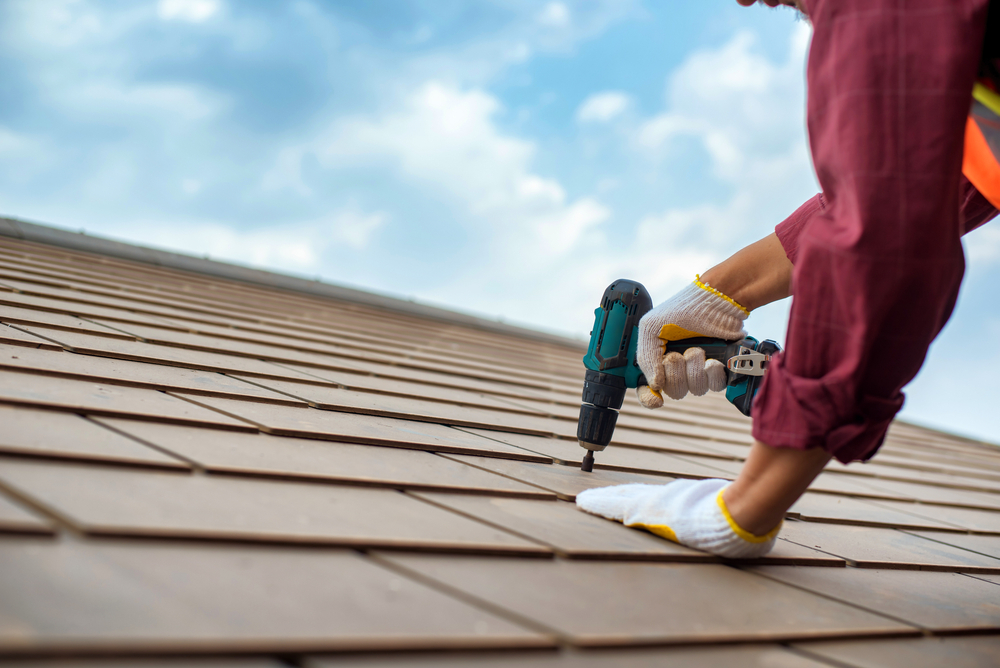
Asphalt shingles are the most widely installed roofing product across Iowa, and their popularity comes from proven performance and practical value. Brands like Owens Corning, IKO, and CertainTeed offer impact-resistant options rated to handle hail, wind, and temperature extremes better than standard shingles. You get a reliable product, wide style selection, and strong manufacturer warranties without stretching your budget.
Class 4 impact-resistant shingles carry the highest rating available, which matters in a region where hailstorms cause widespread damage every year. Some Iowa insurance carriers offer premium discounts for homes with Class 4 materials, so ask your agent before finalizing your selection.
Metal Roofing
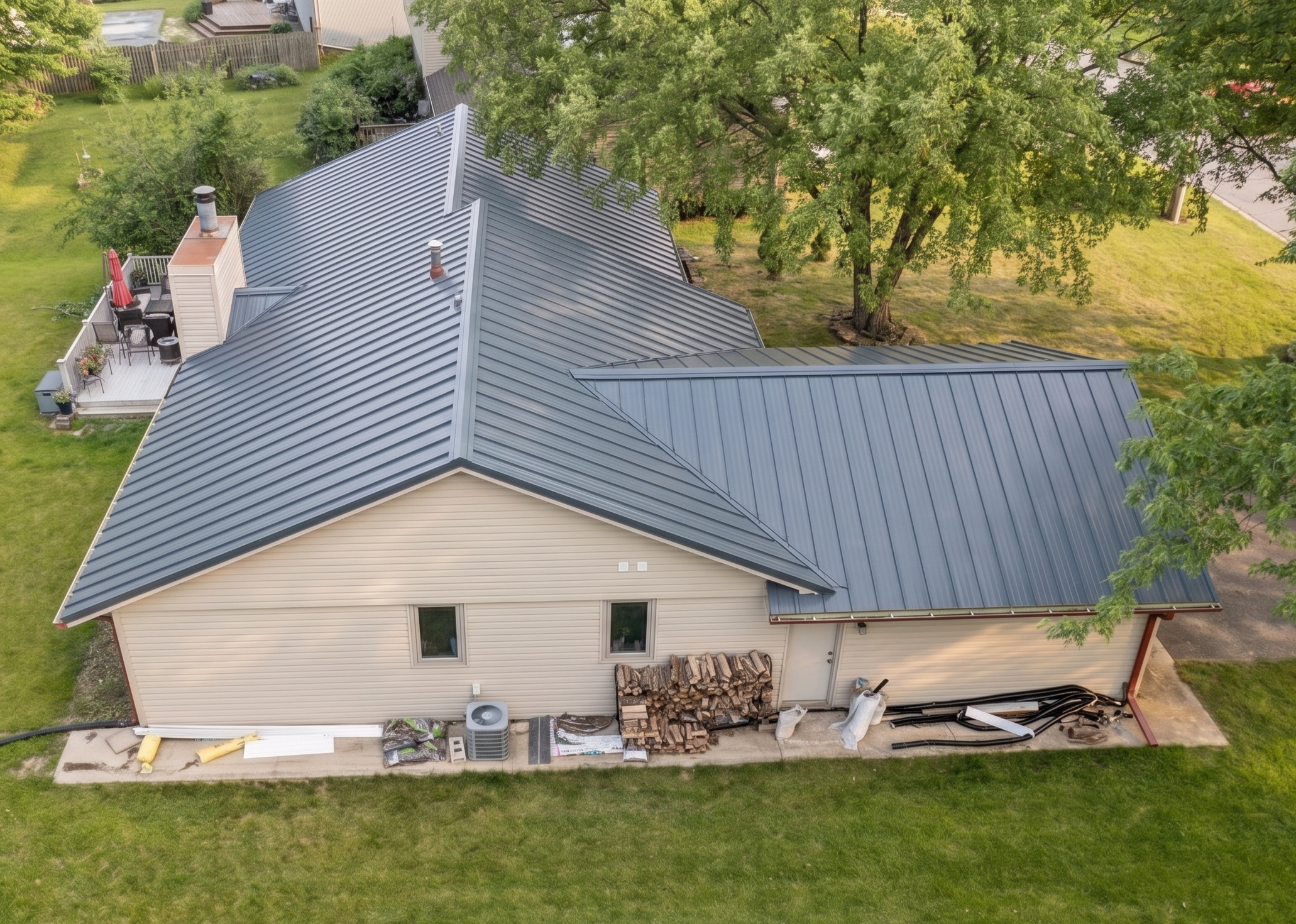
Metal roofing has grown across Iowa, Nebraska, and Missouri because it handles the conditions that wear other materials down fastest. Fabral metal systems shed snow, resist wind uplift, reflect solar heat, and outlast most residential roofing options by decades. Homes, farms, machine sheds, and commercial buildings all benefit from the durability metal brings to exposed Midwest properties.
The upfront cost runs higher than asphalt, but longevity, minimal maintenance, and energy performance change the math quickly over time. For homeowners planning to stay long-term or property owners looking to reduce future roofing costs, metal is one of the strongest investments available.
Spray Foam Roofing Systems
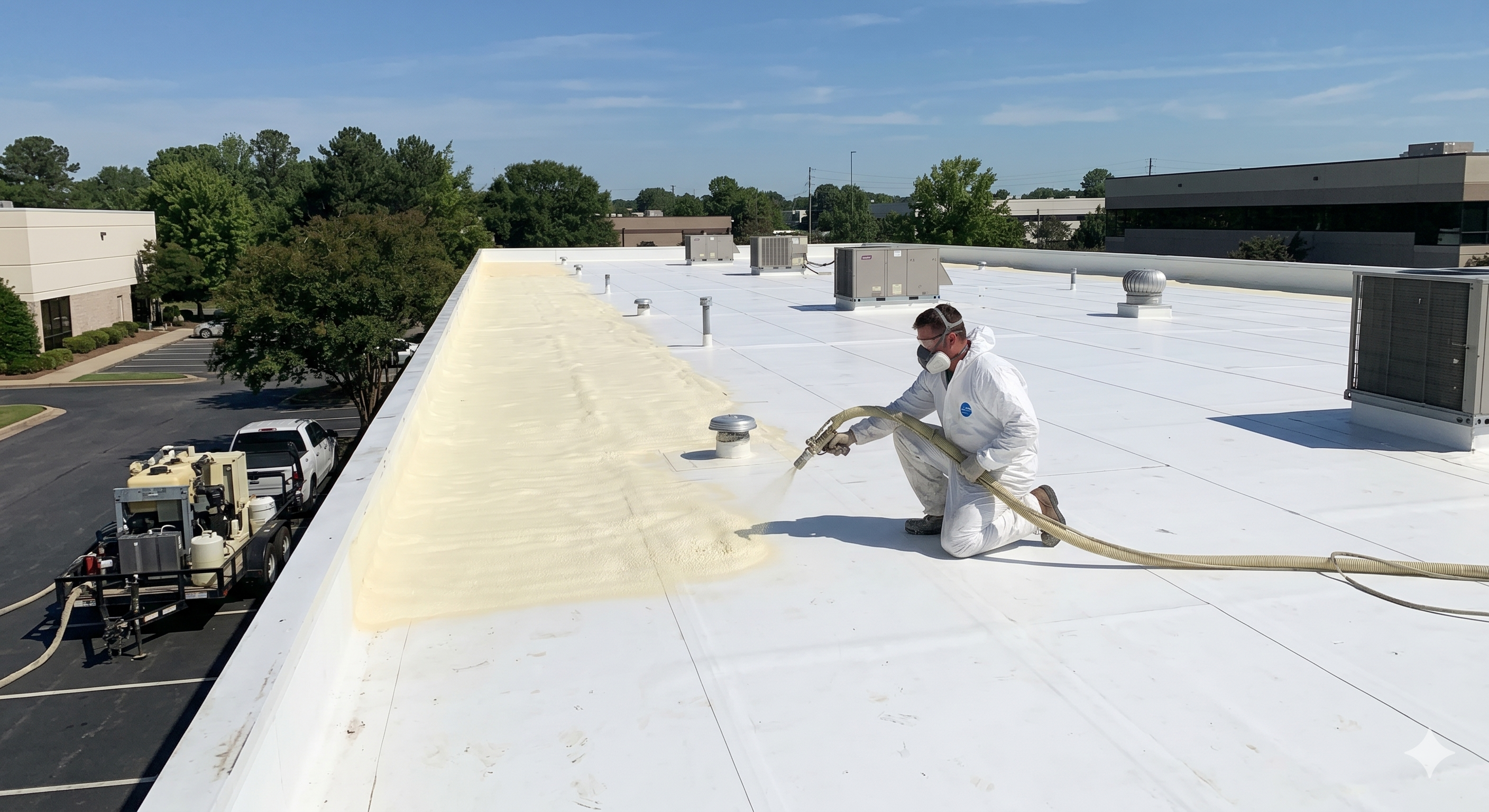
Conklin spray foam systems are built for flat and low-slope commercial and agricultural roofs where traditional shingles aren't the right fit. Spray foam creates a seamless, watertight surface across the entire deck, eliminating the seams and transitions where most flat roof leaks start. The reflective surface also significantly reduces heat gain, lowering energy costs for commercial property owners throughout the cooling season.
A 10-year renewable warranty backs every Conklin system, giving property owners long-term protection that goes well beyond most commercial roofing products. When the warranty period ends, a maintenance coating renews it for another ten years, making spray foam one of the most cost-effective long-term solutions for commercial and agricultural properties in the region.
How Installation Quality Affects Material Performance
Even the best materials underperform when the installation isn't done right, and the gap between a good install and a poor one shows up faster than most homeowners expect. Shingles nailed outside the correct zone lift under wind loads that a properly fastened roof handles without issue. Flashing without the right overlap and sealant lets water into the structure through transitions that should never be a problem.
Ventilation is where installation quality has the most long-term impact on performance. An undersized or unbalanced ventilation system traps heat and moisture in the attic, accelerating shingle deterioration from underneath while driving up summer cooling costs. Getting it right during installation costs far less than fixing it afterward.
Manufacturer warranties depend on installation quality in ways that matter when you actually need to use them. Most premium warranties require a certified contractor, and claims on roofs installed by uncertified crews can be denied regardless of how clear the defect is. Choosing a certified contractor protects both your roof and the warranty coverage you're counting on.
Get the Right Roof for Iowa Weather With Hoskins Exteriors
Hoskins Exteriors has been installing roofs across Iowa, Nebraska, and Missouri since 1991, and that experience means knowing which materials hold up in all kinds of weather. Every installation follows the same standard of care, from proper ventilation and flashing to certified work that protects your manufacturer warranty. Working with a team that's been doing this in your region for over 30 years means you're not guessing at the outcome.
Talk to us at Hoskins Exteriors and let's find the right roofing system for your home, farm, or commercial property before summer weather puts your current roof to the test. We offer free estimates, honest recommendations, and workmanship that holds up long after the crew drives away.
